Case Study: Revitalizing a Historic Building with Commercial Painting in Phoenix
Revitalizing historic buildings is a unique challenge that requires a careful balance of preserving the past while embracing modern aesthetics. In Phoenix, a city known for its vibrant history and architectural diversity, a recent project showcased how commercial painting can breathe new life into these treasured structures.
This case study explores how a strategic approach to commercial painting transformed a historic building, enhancing its visual appeal and value while maintaining its historical integrity.
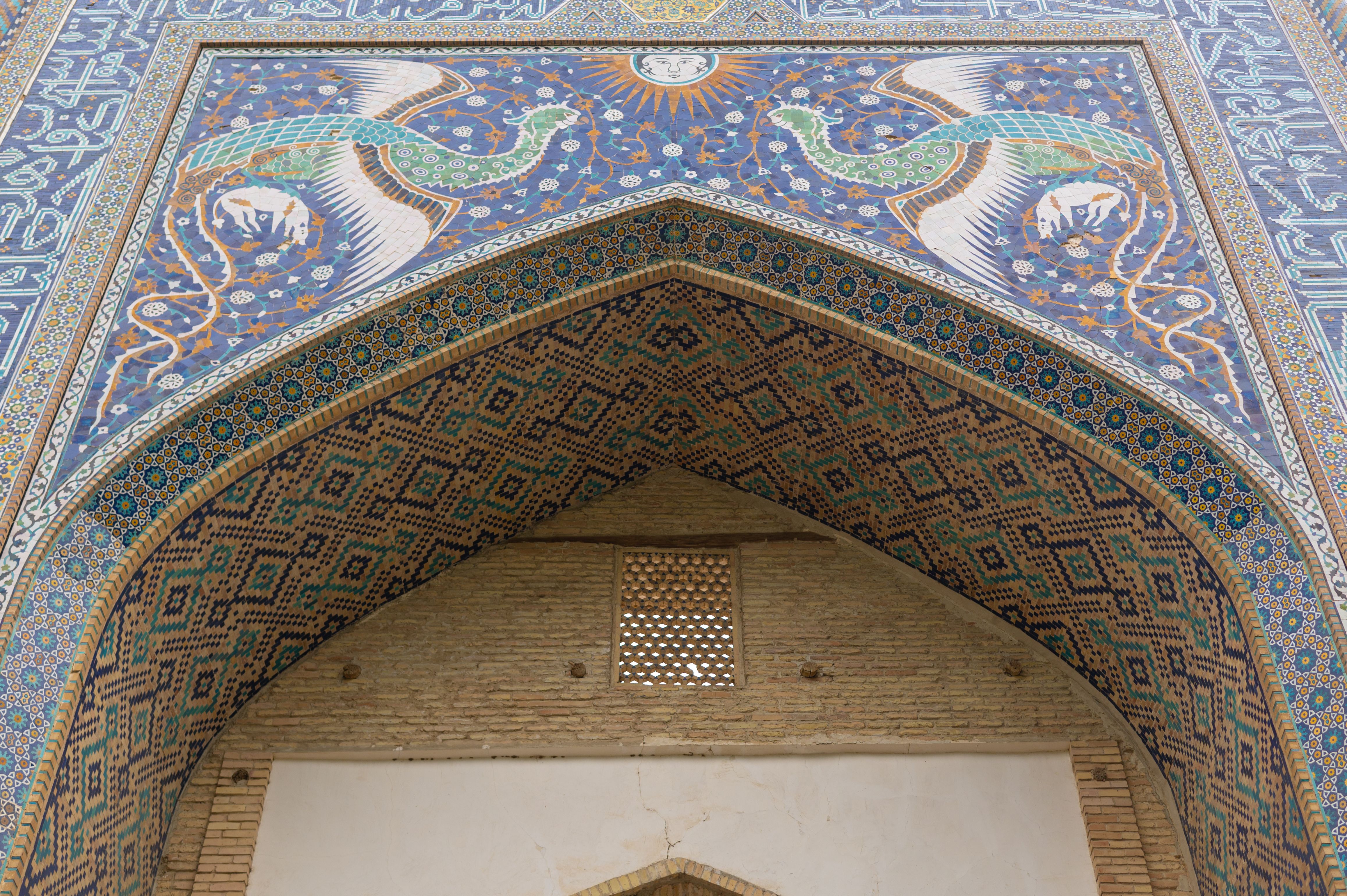
The Importance of Preserving Historic Buildings
Historic buildings are more than just structures; they are tangible pieces of our cultural heritage. Preserving them is crucial for maintaining the historical narrative and architectural diversity of a city. However, these buildings often face challenges such as weathering, outdated designs, and the need for modern functionality.
In Phoenix, the harsh desert climate can accelerate the wear and tear on building exteriors. A thoughtful approach to commercial painting can address these challenges, ensuring that these structures remain standing for future generations to appreciate.
Challenges in Revitalizing Historic Buildings
Revitalizing a historic building is no small feat. It involves:
- Understanding the original architectural style and materials used
- Ensuring compliance with local preservation laws
- Balancing modern needs without compromising historical value
For this Phoenix project, the team had to consider the building's original color palette and materials to select paints that would complement and enhance the existing structure.
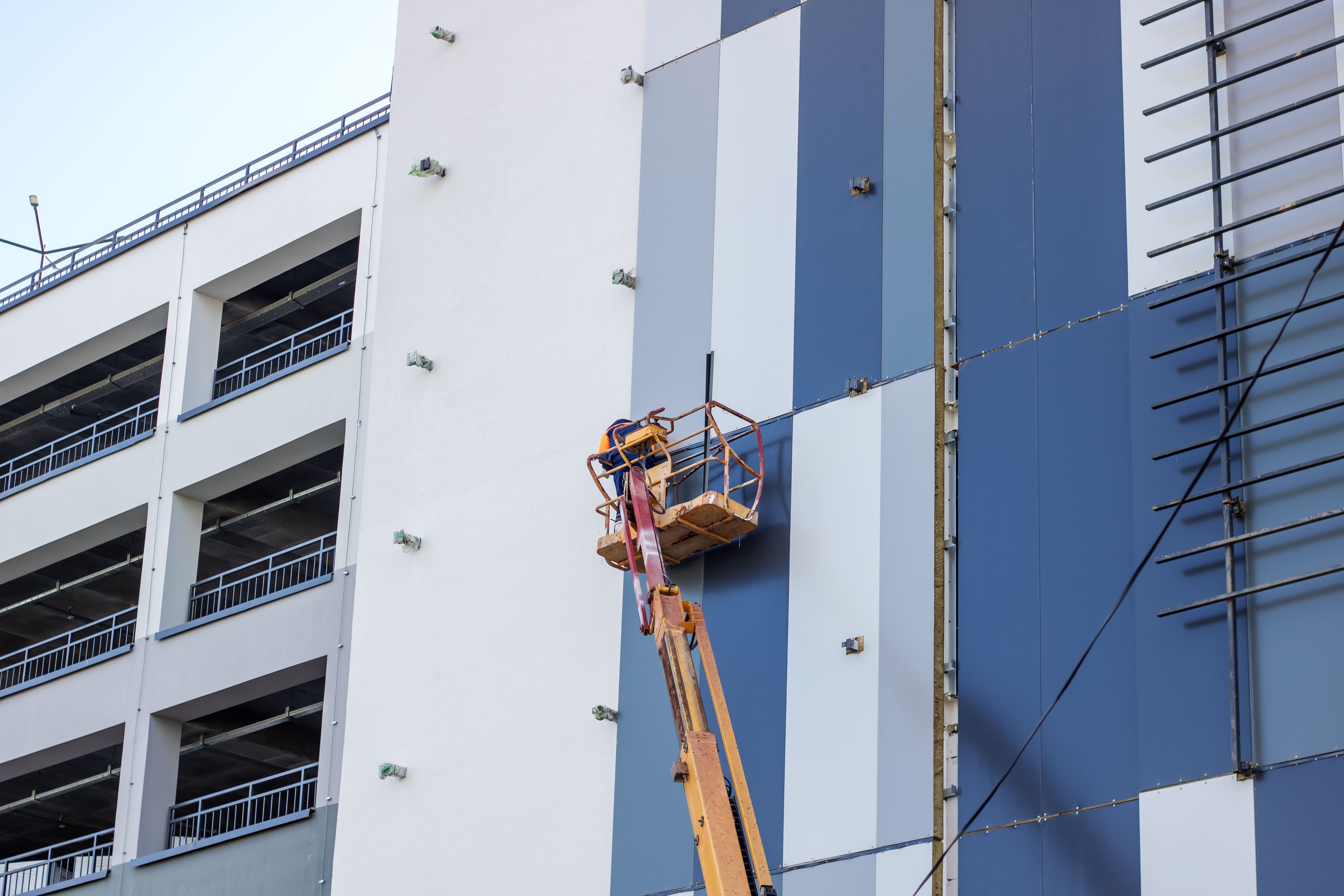
The Role of Commercial Painting in Revitalization
Commercial painting plays a critical role in the revitalization of historic buildings. It not only restores the structure's appearance but also provides a protective layer against environmental elements. In this case, the painting team worked with preservation experts to choose colors and finishes that respected the building’s historical context.
Advanced painting techniques were used to ensure durability and longevity. The choice of paint also reflected the building’s original aesthetic, creating a seamless blend of old and new.
Selecting the Right Materials
Choosing the right materials was essential to the project’s success. The team opted for high-quality, weather-resistant paints that could withstand Phoenix’s extreme temperatures. These materials were chosen not only for their durability but also for their ability to replicate the building’s original appearance.
Additionally, environmentally friendly paints were selected to align with modern sustainability goals, ensuring that the project was as green as it was beautiful.

The Impact of the Revitalization
The transformation of the historic building was met with enthusiasm from the local community. By preserving its historic charm while modernizing its appearance, the project not only enhanced the building's aesthetic appeal but also increased its value and functionality.
Moreover, the project set a precedent for future revitalization efforts in Phoenix, demonstrating how commercial painting can be both an art and a science in preserving history.
Conclusion: A Model for Future Projects
This case study highlights the importance of strategic planning and execution in the revitalization of historic buildings. For cities like Phoenix, where history and modernity coexist, commercial painting offers a pathway to preserving the past while embracing the future.
Ultimately, the successful revitalization of this historic building serves as an inspiring model for similar projects, showcasing the transformative power of thoughtful design and expert craftsmanship.