Common Misconceptions About Sustainable Paint Solutions
Understanding Sustainable Paint Solutions
As the world becomes more environmentally conscious, the demand for sustainable products, including paint solutions, has skyrocketed. However, with this rise in popularity comes a wave of misconceptions. Understanding these can help consumers make informed decisions and contribute positively to the environment.

Myth 1: Sustainable Paints Are Less Durable
A common misconception is that sustainable paints are less durable than traditional paints. In reality, many eco-friendly paints offer comparable, if not superior, durability. Advances in technology have allowed manufacturers to create paints that withstand wear and tear while maintaining their green credentials.
These paints often contain fewer volatile organic compounds (VOCs), which not only makes them better for the environment but also ensures they are safer for indoor air quality. Therefore, choosing sustainable paint does not mean sacrificing performance.
Myth 2: Limited Color Choices
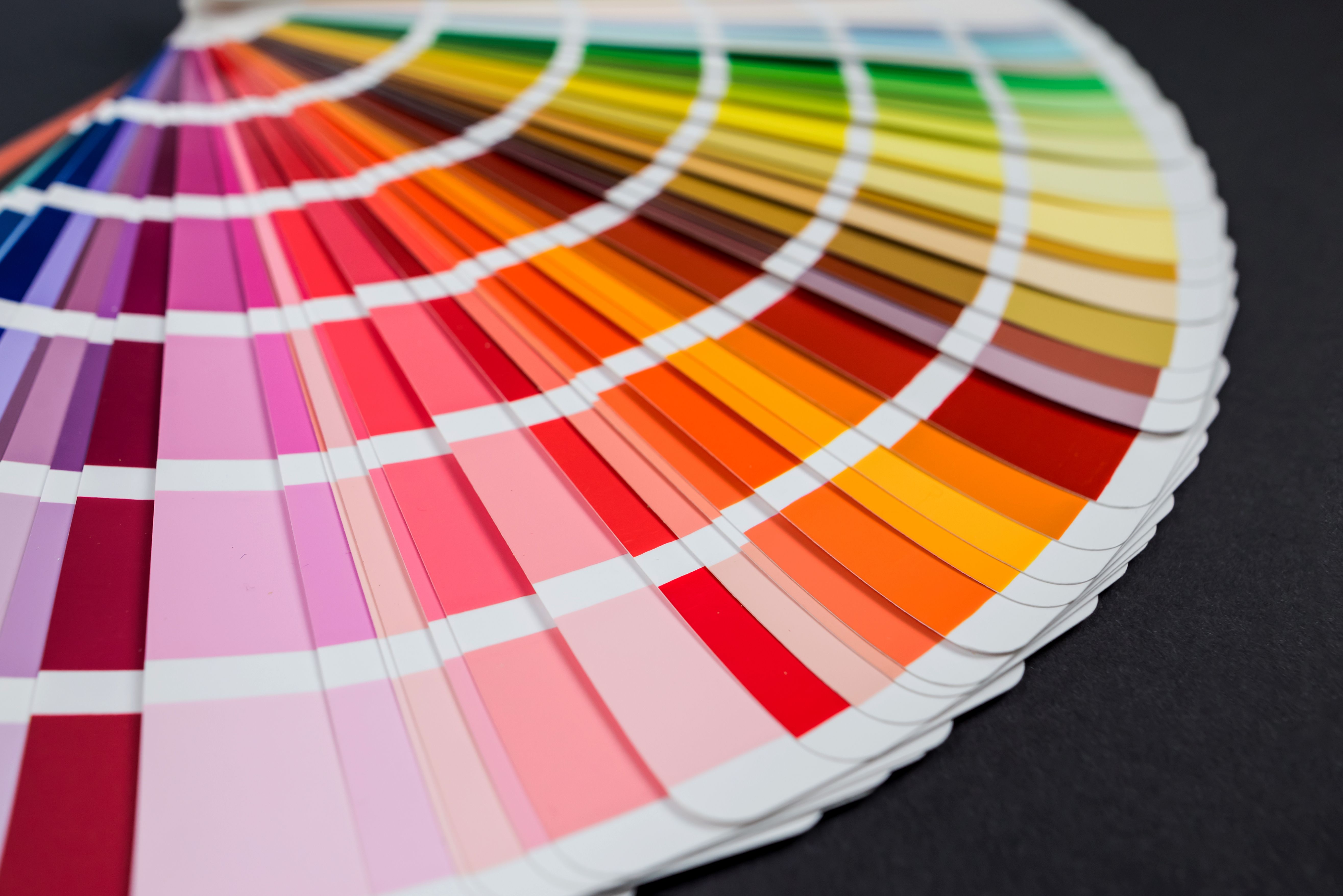
Another misconception is that eco-friendly paints come with limited color options. This is no longer the case. Many brands now offer a wide array of colors to suit any design preference, from bold and vibrant to soft and subtle.
Thanks to innovative practices, sustainable paint manufacturers can provide the same color variety as traditional paints, allowing homeowners and designers to achieve their vision without compromise.
Myth 3: Higher Costs
Cost is often a concern when considering sustainable products. While it's true that some eco-friendly paints may come with a slightly higher price tag, the benefits they offer can outweigh the initial costs. Sustainable paints can contribute to healthier indoor environments and reduce the need for frequent repainting, saving money over time.
Additionally, as demand for eco-friendly products increases, prices are becoming more competitive. Many consumers find the investment worthwhile, considering the positive impact on health and the environment.
Myth 4: Not Effective for Outdoor Use
Some believe that sustainable paints are only suitable for indoor use, fearing that they won't withstand outdoor conditions. However, many eco-friendly paints are formulated to endure the elements, providing robust protection for exterior surfaces.

These paints are designed to resist UV rays, moisture, and temperature fluctuations, ensuring that they perform just as well, if not better, than conventional options.
Conclusion: Making Informed Choices
Understanding the truth behind these misconceptions can empower consumers to make informed choices about sustainable paint solutions. By dispelling these myths, we can promote a more environmentally friendly approach to home improvement without sacrificing quality or aesthetics.
As the industry continues to evolve, so too will the options available, making it easier than ever to contribute to a sustainable future. Embracing eco-friendly paint solutions is a step toward a healthier planet and a testament to the power of informed consumer choices.