Drywall Repair 101: Essential Tips for Homeowners in AZ
Understanding Drywall
Drywall, also known as gypsum board, is a popular material used in the construction of interior walls and ceilings. It's known for being both cost-effective and relatively easy to work with. However, damage can occur over time, especially in high-traffic areas or due to moisture, which is a common concern in Arizona.
Common issues include cracks, holes, and water damage. Understanding the basics of drywall repair is essential for maintaining the aesthetic and structural integrity of your home.
Assessing the Damage
Before diving into repairs, it's crucial to assess the extent of the damage. Small cracks and holes can be fixed with simple DIY techniques, while larger issues might require professional intervention. Here’s how to evaluate the damage:
- Small Holes: Typically caused by nails or screws and can be fixed with spackle.
- Medium Holes: Often result from door handles and need patching.
- Large Holes or Cracks: These may indicate structural issues, requiring a more comprehensive approach.
Gathering the Right Tools
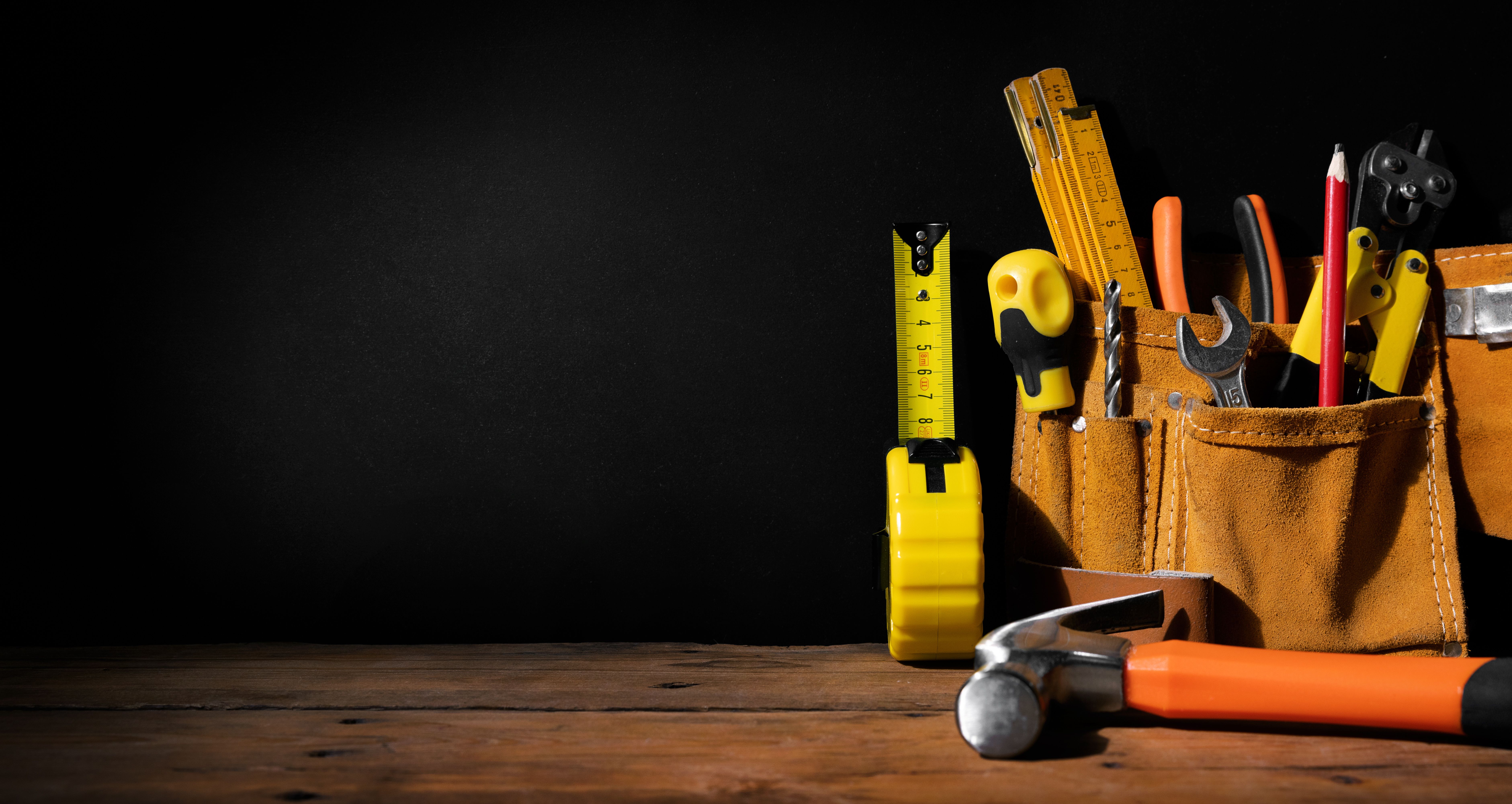
Having the right tools on hand can make drywall repair more straightforward and efficient. Essential tools include:
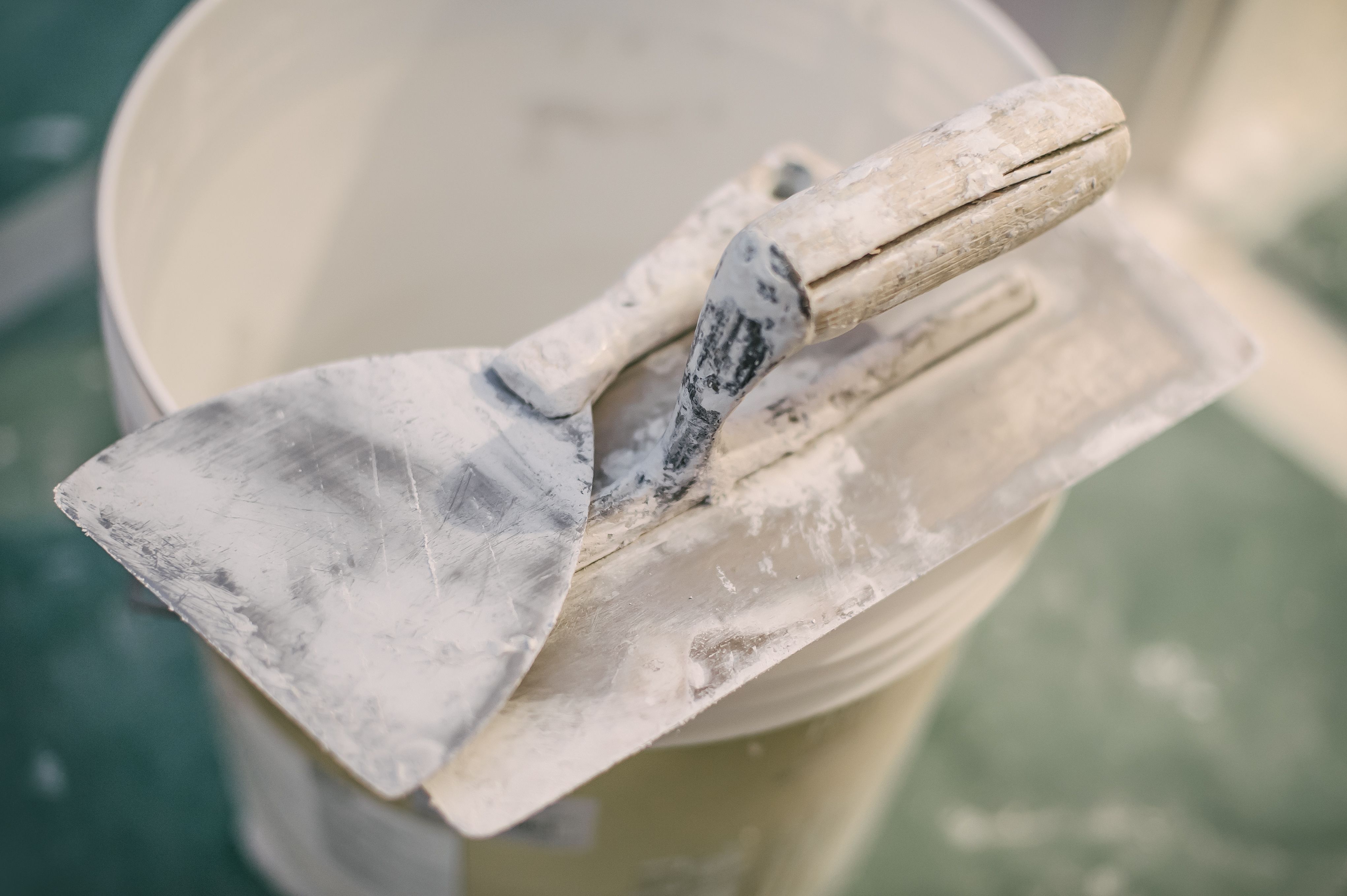
- Putty knife
- Sandpaper or sanding sponge
- Drywall tape
- Joint compound
- Utility knife
For larger repairs, you may need additional materials like a drywall saw or replacement panels.
Step-by-Step Repair Process
Small Holes and Cracks
For minor damage, follow these steps:
- Clean the area around the hole or crack.
- Apply spackle with a putty knife, smoothing it over the surface.
- Let it dry, then sand the area until smooth.
- Paint over the repaired area to match the existing wall.
Medium to Large Damage
For more substantial damage, consider the following:
- Cut a piece of drywall to fit the damaged area.
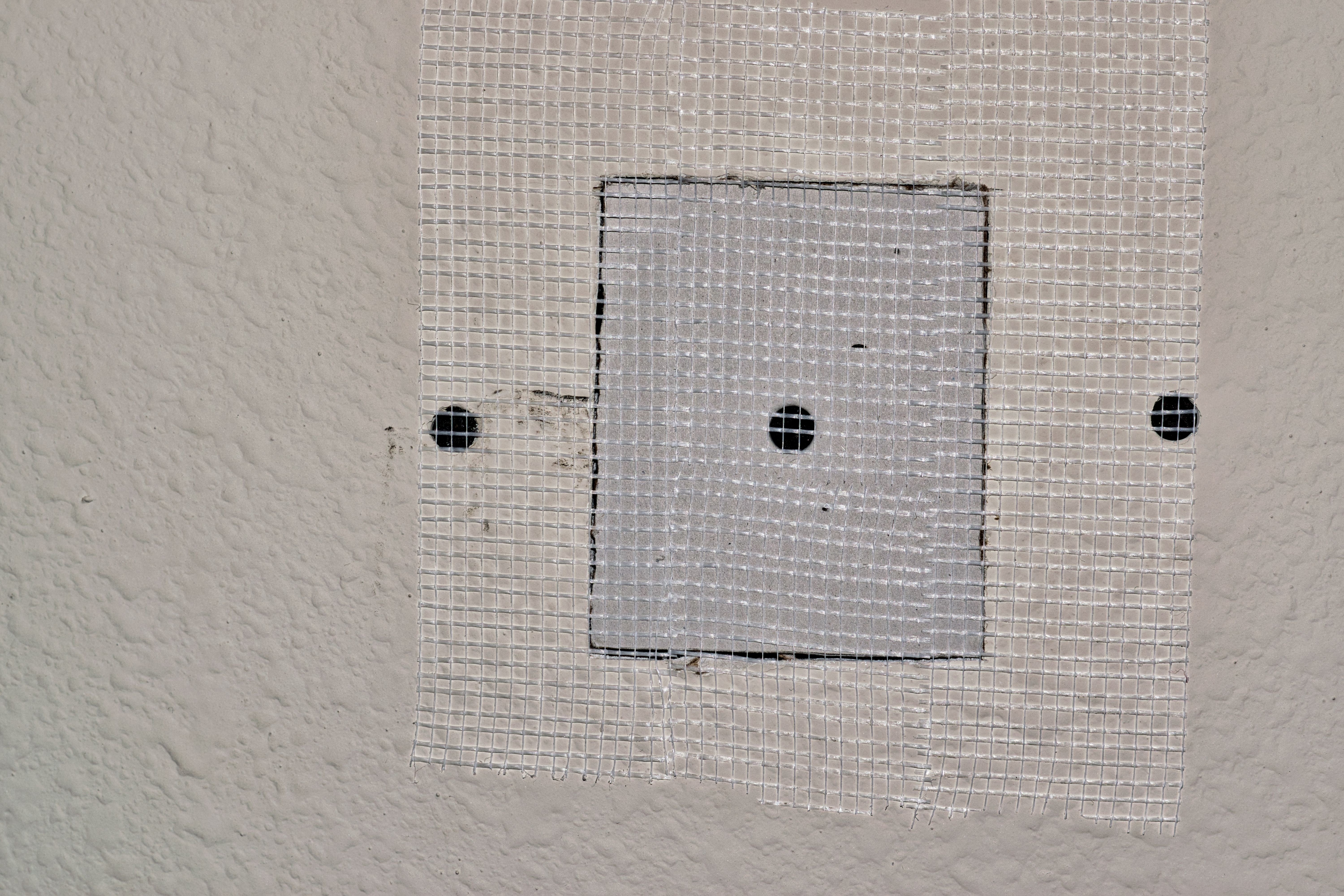
- Use drywall tape to secure the edges.
- Apply joint compound over the tape and allow it to dry.
- Sand the surface smooth before painting.
Preventing Future Damage
Regular maintenance and preventive measures can reduce the likelihood of drywall damage. In Arizona, controlling humidity levels is key. Consider using a dehumidifier and ensure proper ventilation in areas prone to moisture, like bathrooms and kitchens.
Install doorstops to prevent doorknob damage, and be mindful of furniture placement to avoid unnecessary wear and tear.
When to Call a Professional
While many drywall repairs can be managed by homeowners, certain situations warrant professional help. If you encounter extensive water damage, large cracks, or suspect underlying structural issues, it’s wise to consult an expert.
Professionals have the experience and tools to ensure repairs are done efficiently and effectively, preserving the safety and appearance of your home.